In martial arts, it is wise to put yourself in a stance. A stance does more than signal to others, and yourself, that you are prepared for physical altercation; a stance prepares you to defend against certain attacks, and prepares you to perform certain actions.
For example, we can look at boxing stances.
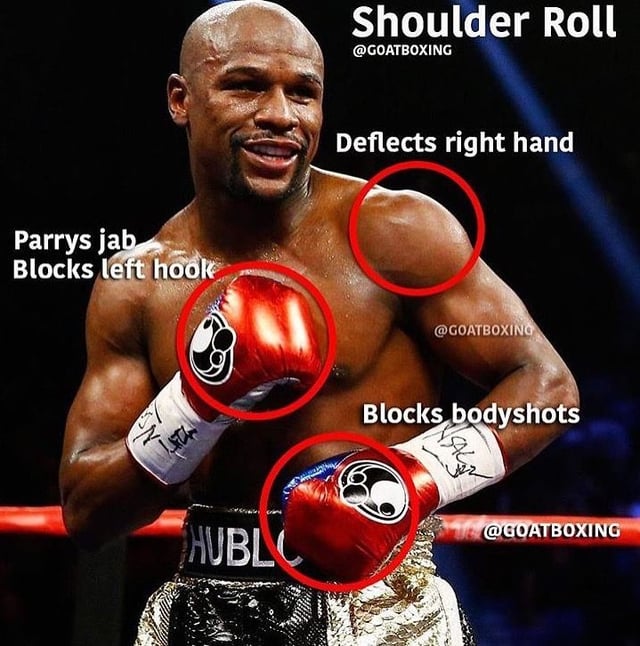
Stance: Philly Shell
By positioning his body in the Philly shell stance, Floyd Mayweather Jr protects his torso from attacks without having to move. His front shoulder blocks attacks from the opponent’s right hand, his hand blocks body shots, and his rear arm blocks left hooks.
However, this body position does not promote combination striking, as the front shoulder basically has to move to allow the rear hand to strike. This stance promotes strong defense and singular strikes.
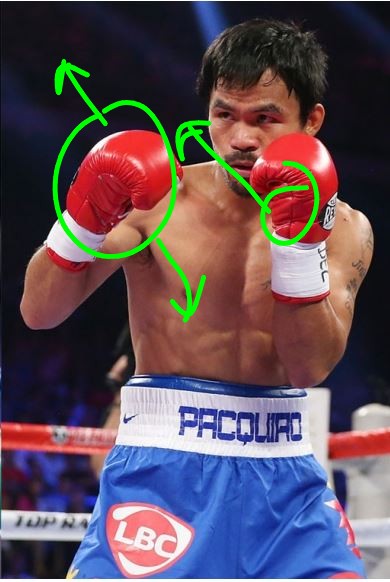
Stance: Southpaw High-Guard
Manny Pacquiao is also a highly decorated boxer. His stance, however, does not protect as well as the Philly shell. To defend strikes to the body, Manny has to see the attack, react, and his front hand must travel from his head to his belly.
This stance prioritizes protection of the head with two layers of defense. It also promotes combination striking as the square stance allows both arms to extend relatively freely.
In physical conflict, a stance preemptively protects you and prepares your body to take certain actions. It also directs your attention to specific threats (as the rest of your body is already protected). This can transfer to the mind as well.
Mental Stances
Now that we understand how physical stances help, let’s talk about how that analogy can translate to mental warfare.
Like we said before, a stance protects us by putting our defenses in range of protecting our most important parts (without us having to work at it). If we have to respond actively to an attack, it means our defense was not in position.
Stances focus on what is important, and ignore everything else.
Arms, knees, and elbows will take the hit, but better those than our core (temples, ears, chin, neck, ribs, kidneys, liver).
So to sum up:
- Stances preemptively put up defenses over the most sensitive/vital areas of the body
- Stances also pre-prepare certain actions and responses. Seeing as attacks typically lead to further conflict, we should seek to
For mental self-defense, we must protect the areas that are most sensitive, while pre-preparing methods of routing any further attack.
Leave a Reply