Author: lujhei
-
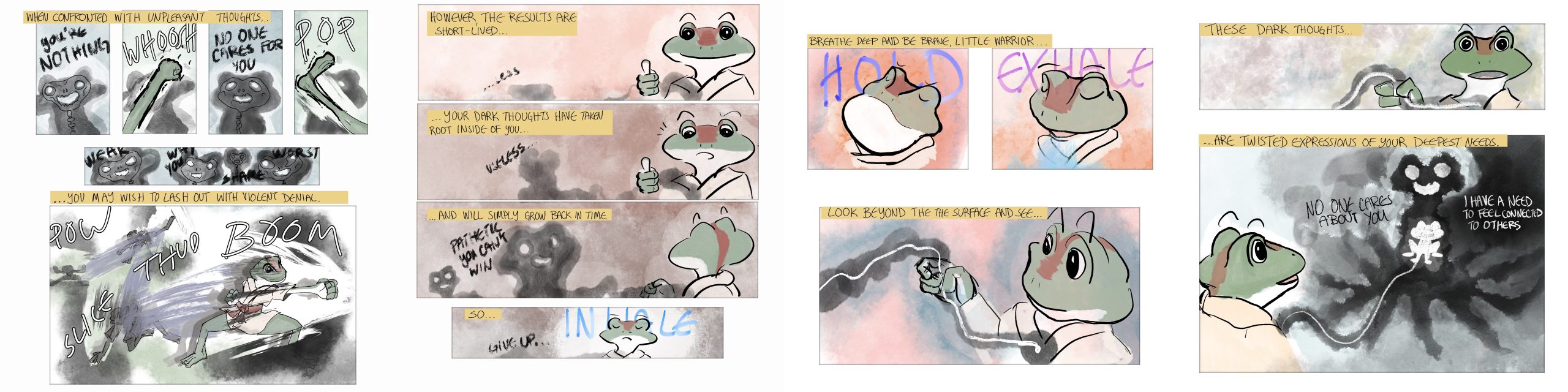
Fighting back is not Repression
•
I was a teenager when I first learning about Stoicism. I had just begun reading philosophical works and was introduced to Epictetus, a former Greek slave. His writing in the Enchiridion became the fundamental core of stoicism: Focus your attention on what you can affect, and let go of that…
-

Quieting the Mind
•
Whenever I work with students, I have a routine I ask them to do: I call it the “Warrior’s Repose” in line with the idea of Mental Martial Arts. The Warrior’s Repose As you breathe, occupy your mind by noticing your surroundings. Repeat this process until you lose track of…
-

Don’t Think of an Elephant–Problems with Negative Statements
•
The way that we provide instructions and frame problems can inhibit effectiveness and even lead to violence.
-
Poor Communication is Poor Problem Solving
•
Most people do not think about how we communicate, they simply communicate the way they have seen others communicate. They do this without realizing that they are trying to achieve something (aka problem-solve) through their communication. Unfortunately, this ignorance becomes a problem. Many of our communication strategies are poor problem-solving…
-
Developing an Indominable Mind: Tracing Emotions
•
To develop an indominable mind, we must begin by better understanding ourselves. It is well established that our minds operates on an active level (consciousness) and a passive level (automatic). The passive operations are of special interest to us because they are often so automated, that we are not even…
-
Understanding the Effects of Anger
•
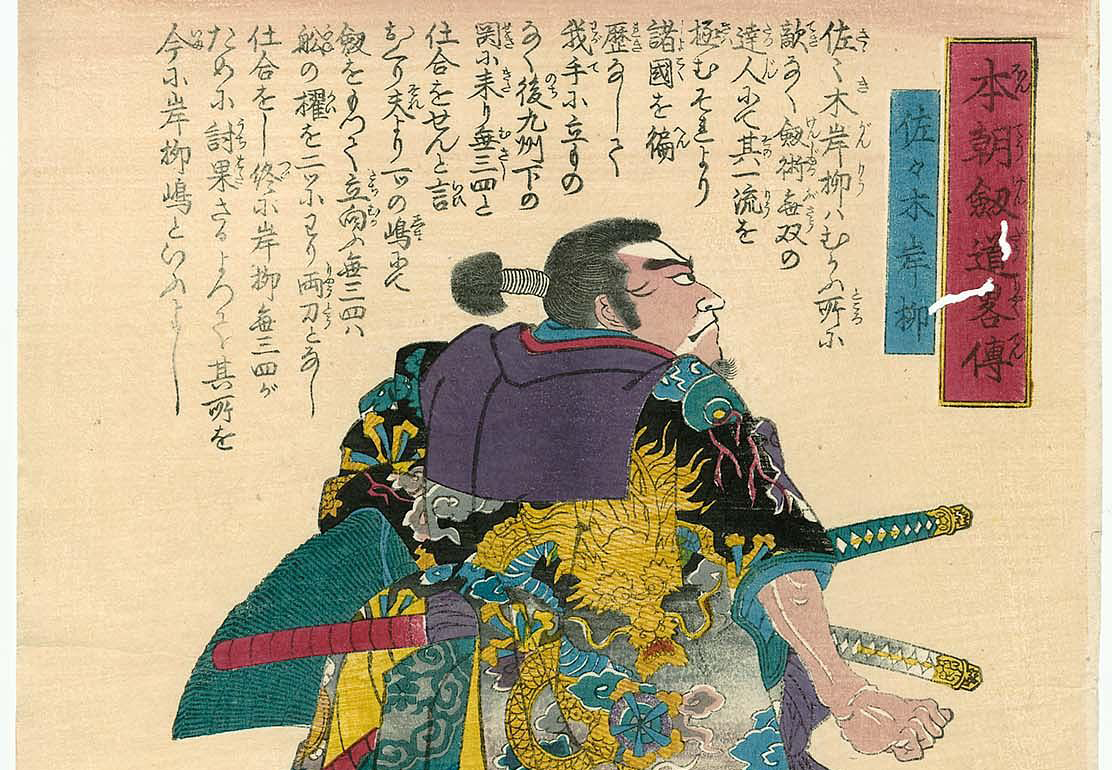
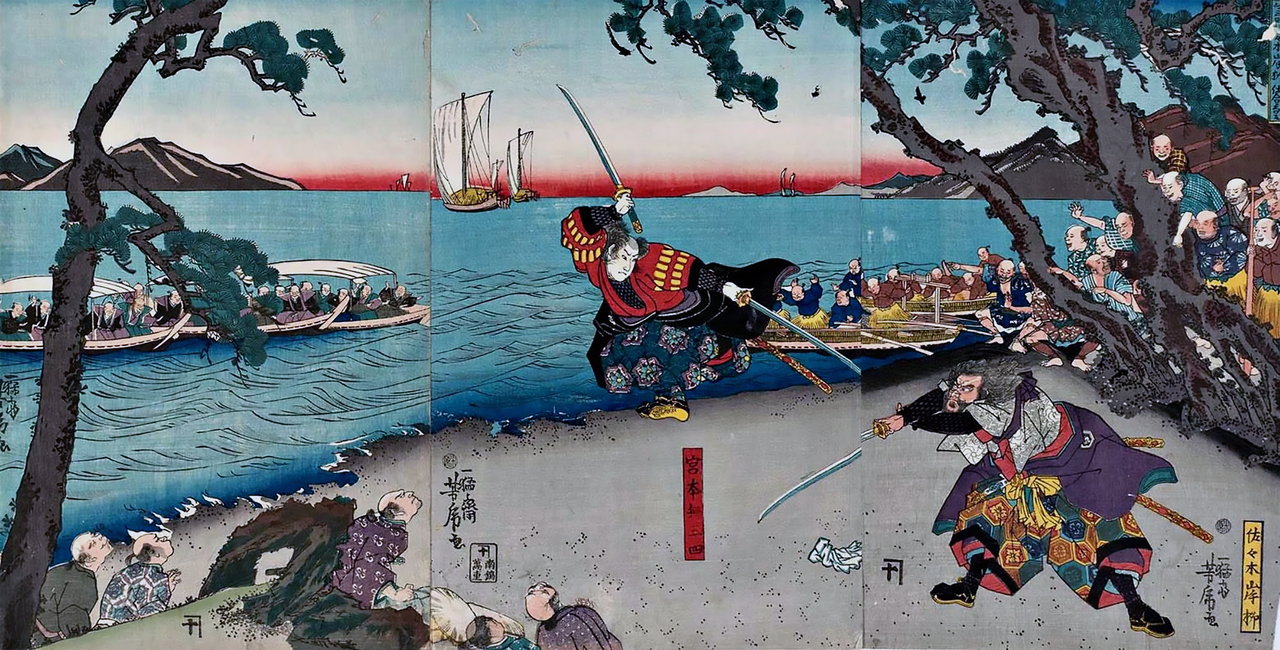
The Nitenki (二天記) describes how Sasaki Kojiro, a master swordsman, was consumed by anger. This anger, in turn led to his defeat by Miyamoto Musashi. While the story emphasizes the idea that anger led to Kojiro’s downfall, it’s more illustrative to understand how anger affects us and changes our approach…
-
A Case for an Indominable Mind in Martial Arts: The Duel at Ganryujima
•
Note: Musashi(left) is not wielding the wooden oar, but his signature two-sword style. This woodblock was made about 200 years after the event. By Yoshifusa Utagawa (active ca. 1840-1860) – Artelino [1], Public Domain, https://commons.wikimedia.org/w/index.php?curid=86540179
-
How I teach grammar: Pt 2 Using Commas
•
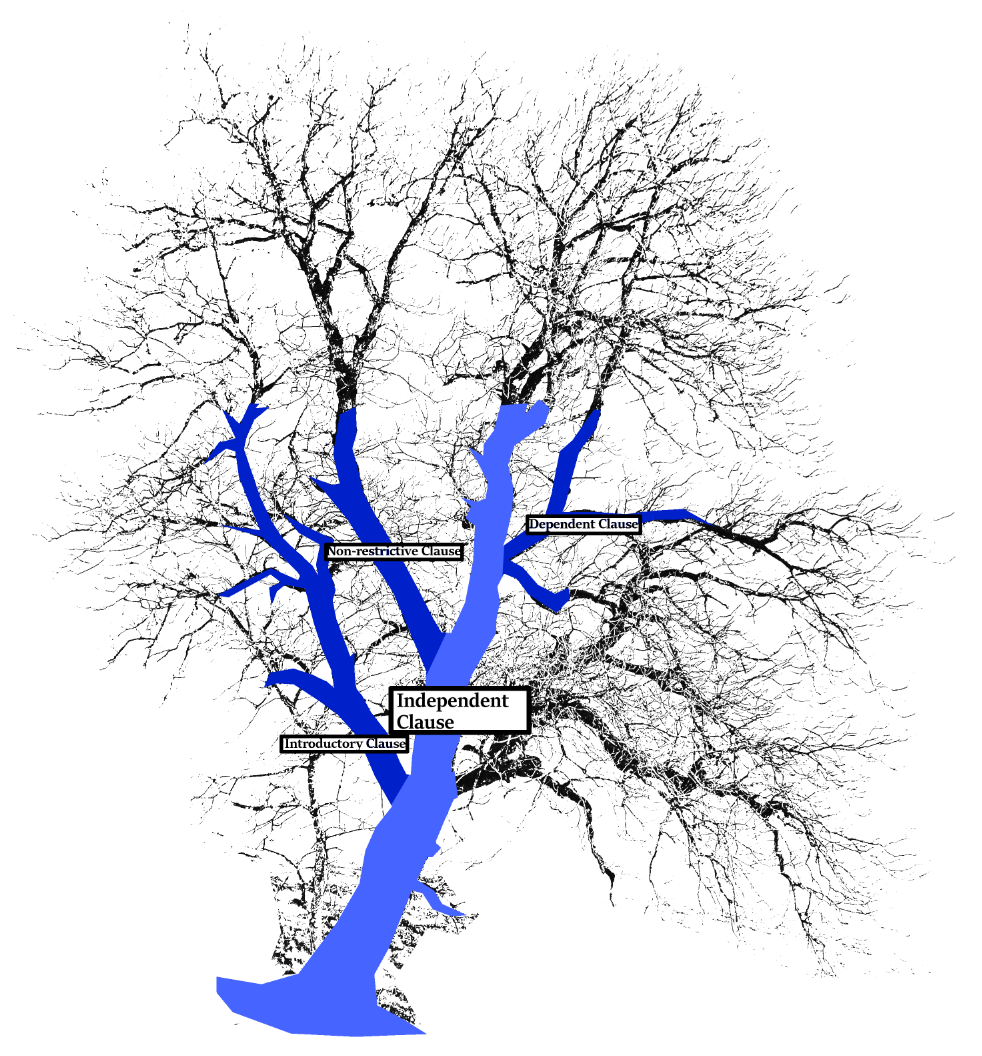
In the first part, we covered the basics of complex sentences: Independent and Dependent clauses. We learned that dependent clauses cannot stand on their own and must be attached to an independent clause to form a grammatically correct sentence. In this section, we will begin covering the use of punctuation…
-
How I teach Algebra: Pt1 Introduction
•
Until now, your math class has been working with numbers. These numbers have taken many different forms: In math, we call these numbers “constants.” Algebra introduces a new concept called “variables” that we use letters and names to represent: x, y, z, a, b, c, k, etc). These variables are…
-
How I teach grammar: Part 1–The Tree Analogy
•
Grammar can be a very difficult topic to learn and teach. While we are all expected to use commas, periods, colons, and Em-dashes correctly from the day we learn to write sentences, we are rarely taught the specific rules (and why they exist). This is in large part be cause…