Category: Observation and Learning
-

Quieting the Mind
•
Whenever I work with students, I have a routine I ask them to do: I call it the “Warrior’s Repose” in line with the idea of Mental Martial Arts. The Warrior’s Repose As you breathe, occupy your mind by noticing your surroundings. Repeat this process until you lose track of…
-

Don’t Think of an Elephant–Problems with Negative Statements
•
The way that we provide instructions and frame problems can inhibit effectiveness and even lead to violence.
-
Developing an Indominable Mind: Tracing Emotions
•
To develop an indominable mind, we must begin by better understanding ourselves. It is well established that our minds operates on an active level (consciousness) and a passive level (automatic). The passive operations are of special interest to us because they are often so automated, that we are not even…
-
Understanding the Effects of Anger
•
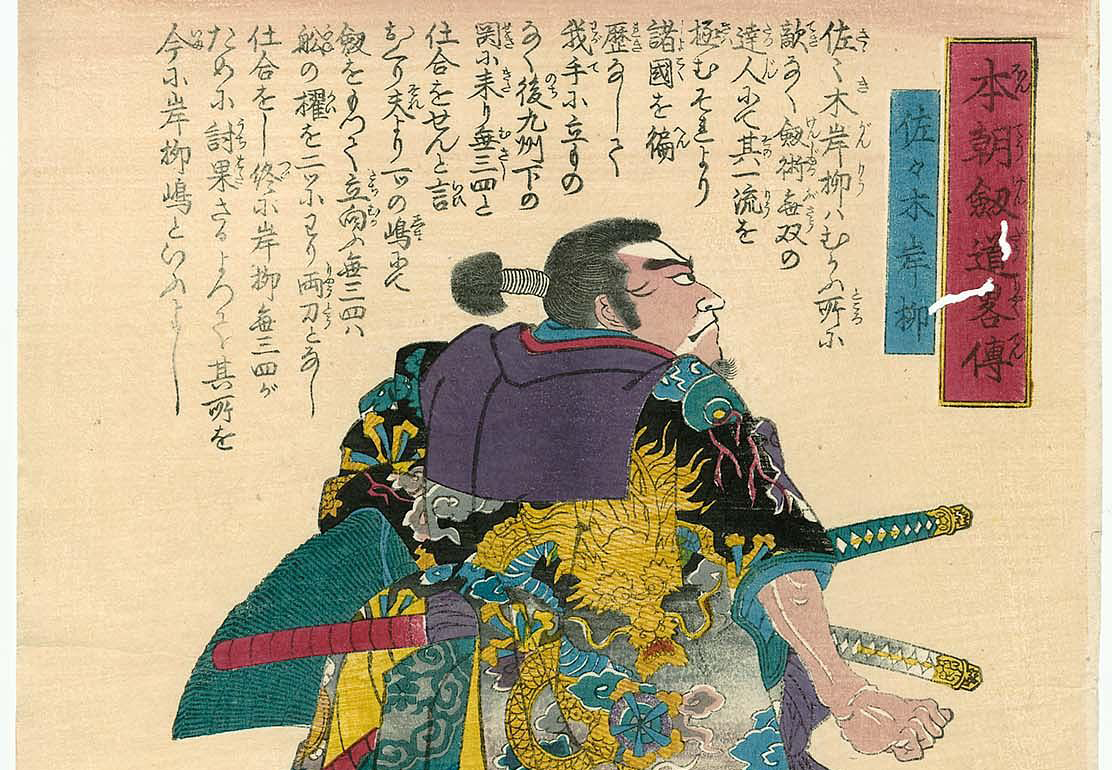
The Nitenki (二天記) describes how Sasaki Kojiro, a master swordsman, was consumed by anger. This anger, in turn led to his defeat by Miyamoto Musashi. While the story emphasizes the idea that anger led to Kojiro’s downfall, it’s more illustrative to understand how anger affects us and changes our approach…
-
Knowledge Management—Keeping information available
•
Case Study in Knowledge Management: Brazilian JiuJitsu club Knowledge management is a relatively new term in business management. It essentially refers to the process of maintaining and keeping organizational knowledge as old employees leave and new employees joins. Knowledge—both discrete (knowing about something) and procedural (knowing how to do something)—exists…